Source Air Compressor Pneumatic Pipe Fittings for Tools
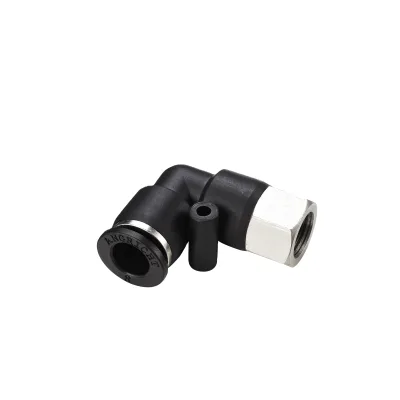
Find and compare 30 air compressor pneumatic pipe fittings for air lines, air drills, and impact wrenches. Options include quick connectors and reducing adapters in plastic and copper materials.
Key considerations
Products List


Comprehensive Sourcing Guide
Air Compressor Pneumatic Pipe Fittings Sourcing Guide
Sourcing pneumatic pipe fittings for air compressor systems requires a disciplined approach to technical verification and supplier qualification. These components serve as the critical junctions in compressed air networks, ensuring that energy generated by the compressor is delivered efficiently to end-use machinery without leakage or pressure drop. Buyers must recognize that while the category appears simple, the variance in material composition, connection standards, and pressure ratings can significantly impact system reliability and operational safety.
The procurement process begins with a clear definition of the application environment, including operating temperature, medium type, and required flow rates. Observed market data indicates a wide range of product models, from quick connectors to reducing adapters, each serving specific functional roles. Understanding these distinctions is essential for selecting the right components that match the existing infrastructure while allowing for future scalability or modification.
Product Scope and Observed Listing Signals
The current market landscape for air compressor pneumatic pipe fittings reveals a diverse array of product types, primarily centered around quick connectors, reducing adapters, and straight couplings. Listings frequently highlight specific model numbers such as PZA 8, PYJ, SU 10, and SC/NSE 10-04, which often correspond to specific port sizes or connection standards. Buyers should note that these identifiers are not universal; they often represent manufacturer-specific coding systems. Therefore, relying solely on model numbers without verifying the underlying physical dimensions and thread specifications can lead to compatibility issues during installation.
Material composition is a critical differentiator in this category, with observed listings indicating the use of both plastic and copper variants. Plastic fittings, often made from durable polymers, are commonly used for their lightweight nature and corrosion resistance, particularly in applications where weight savings or electrical insulation are priorities. Conversely, copper or metal-bodied fittings provide superior durability and heat resistance, making them suitable for high-wear environments or applications involving higher temperatures. The surface treatment processes, such as acid pickling, are also noted in some listings, indicating a focus on corrosion prevention and surface finish quality for metal components.
Technical Specifications to Verify
Verifying the physical and operational specifications of pneumatic fittings is the most crucial step in preventing system failures. Key parameters to confirm include the port size, which typically ranges from 4mm to 16mm in observed listings, and the thread size, which can vary from 1/8 to 1/2 inch. Buyers must ensure that the thread type, whether male or female, matches the mating components in the air line. Additionally, the connection method must be clearly defined, as mismatched connection types can result in improper sealing and air leaks. The shape of the fitting, whether round, reducing, or straight, must also align with the spatial constraints and flow requirements of the installation point.
Operational limits are equally important and must be cross-referenced with the compressor’s output capabilities. Observed data suggests a maximum pressure rating of 150psi and an operating air pressure of 8bar for certain models, while temperature ranges are often specified between -5°C and +60°C, with some components rated for normal temperatures up to 80°C. It is imperative to verify that the selected fittings can withstand the peak pressure spikes and temperature fluctuations of the specific air compressor system. Furthermore, the medium compatibility must be confirmed; while most fittings are designed for air, the presence of oil or moisture in the compressed air stream may require specific material selections to prevent degradation.
Compliance and Safety Documentation
Compliance with international standards is a baseline requirement for pneumatic fittings used in industrial settings. The CE mark is a common standard observed in listings, indicating that the products meet European health, safety, and environmental protection standards. Buyers should request documentation that verifies this compliance, ensuring that the fittings are suitable for use in regulated markets. While specific certification bodies may vary, the presence of the CE mark is a strong indicator of adherence to fundamental safety protocols regarding pressure containment and material safety.
Beyond regulatory compliance, safety documentation should include detailed technical data sheets that outline the fitting’s performance under stress. Buyers should verify that the manufacturer provides clear guidelines on installation torque, maximum working pressure, and burst pressure ratings. This information is vital for designing a system that operates within safe limits and avoids catastrophic failures. Additionally, understanding the material safety data sheets (MSDS) for any plastic or coated components can help assess compatibility with the compressed air medium, ensuring that no harmful substances are leached into the air stream.
Cost Drivers and Commercial Terms
The cost of pneumatic pipe fittings is influenced by several factors, including material type, manufacturing process, and order volume. Observed price ranges in the market are broad, reflecting the diversity of product qualities and specifications. Buyers should be aware that lower prices may correlate with simpler manufacturing processes, such as basic injection molding for plastic parts, while higher prices may reflect more complex processes like die-casting, gravity casting, or sand casting for metal components. The surface treatment, such as acid pickling, also adds to the cost but enhances the product’s longevity and performance.
Commercial terms, including minimum order quantities (MOQ) and lead times, vary significantly among suppliers. MOQs can range from small batches of 100 pieces to larger orders of 1000 units, depending on the supplier’s production capacity and inventory strategy. Lead times are another critical consideration, with some suppliers indicating delivery times of 35 days after receiving a deposit, while others may offer faster turnaround for standard items. Buyers should negotiate clear terms regarding payment schedules, shipping methods, and packaging, which can include plastic bags, cartons, or export-standard packaging to ensure safe transit.
Supplier Qualification and Quality Control
Qualifying suppliers in the pneumatic fittings market requires a thorough assessment of their manufacturing capabilities and quality control processes. Buyers should prioritize suppliers who demonstrate transparency in their production methods, such as those offering customization options or adhering to specific standards like CE. The origin of the products, often listed as Zhejiang, China, or Yueqing, a hub for pneumatic components, can be an indicator of supply chain maturity. However, geographic origin alone is not a guarantee of quality; buyers must verify the supplier’s track record and ability to maintain consistent product standards.
Quality control measures should be explicitly discussed during the sourcing process. Buyers should inquire about the supplier’s inspection protocols, including incoming material checks, in-process quality control, and final product testing. The use of standardized packing methods, such as OPP bags or export cartons, can also reflect the supplier’s attention to detail and commitment to protecting the product during shipping. Additionally, suppliers who offer customization services may have more flexible quality control systems, allowing buyers to specify unique requirements that align with their specific operational needs.
Long-Term Procurement Checks
Establishing a long-term procurement strategy for pneumatic pipe fittings involves regular audits of supplier performance and product reliability. Buyers should monitor the consistency of product quality over time, checking for any deviations in dimensions, material integrity, or performance under operational conditions. Regular feedback loops with the end-users of the fittings can provide valuable insights into any issues related to leakage, wear, or compatibility, allowing for proactive adjustments to the sourcing strategy.
Furthermore, buyers should stay informed about changes in industry standards and technological advancements that may impact the suitability of current fittings. As air compressor systems evolve, the demand for more efficient, durable, and environmentally friendly components may increase. Maintaining a diversified supplier base and keeping abreast of market trends can help buyers mitigate risks and ensure a steady supply of high-quality pneumatic fittings. Regular reviews of commercial terms and performance metrics will also help in negotiating better deals and fostering stronger relationships with reliable suppliers.
FAQs
What materials are used for these pneumatic pipe fittings?
The fittings are constructed from plastic and copper materials to ensure durability and compatibility with air lines. Plastic components provide lightweight resilience, while copper parts offer robust structural integrity for high-pressure applications. This combination supports reliable performance in air compressor systems and grinding machinery without compromising on safety or longevity.
Can these fittings be customized for specific air line requirements?
Yes, customization is available to meet specific industrial needs. Buyers can request tailored specifications for air transport screwdrivers, impact wrenches, and air drills. The manufacturer supports customized orders to ensure the fittings align precisely with unique operational parameters, providing flexibility for diverse pneumatic tool applications and system integrations.
What is the maximum air pressure these fittings can handle?
These fittings are designed to operate safely at an air pressure of 8 bar. This rating ensures stable performance in standard air compressor setups and pneumatic tools. The robust construction prevents leaks and maintains efficiency under typical operating conditions, making them suitable for various industrial applications requiring consistent pneumatic power delivery.
Which certifications do these pneumatic fittings meet?
The products comply with CE standards, ensuring adherence to European safety and quality regulations. This certification confirms that the fittings meet rigorous manufacturing requirements for use in air lines and compressors. Buyers can rely on this compliance for international sourcing, ensuring the components are safe, reliable, and suitable for global industrial deployment.
How are these fittings packaged for export?
The fittings are packaged in plastic bags, cartons, or OPP bags for export. This packaging method protects the components during transit and ensures they arrive in new condition. The export packing is designed to prevent damage, making it suitable for global shipping and ensuring that buyers receive the products in optimal condition for immediate industrial use.
What is the typical lead time for these pneumatic fittings?
The delivery time is approximately 35 days after receiving a 30% deposit. This timeline allows for proper manufacturing and quality control processes. Buyers should plan their procurement schedules accordingly to ensure timely availability for their air compressor systems and pneumatic tool operations, maintaining smooth production workflows without unexpected delays.